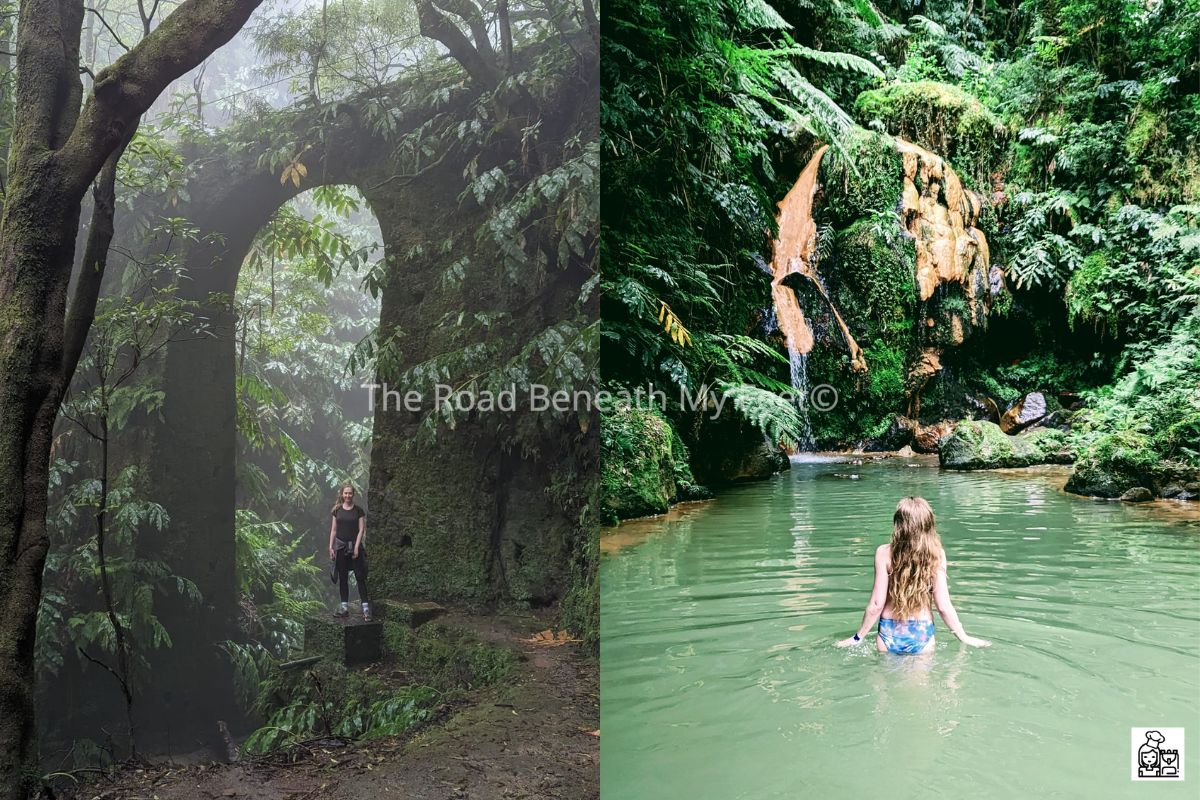
Island hopping in the Azores – Exploring San Miguel, São Jorge, Pico, and Faial
In the middle of the Atlantic Ocean lies a paradise for outdoor adventurers and seekers of tranquil beauty – the Azores. The Portuguese archipelago consists of nine islands, each one unique, with its own spirit and delicacies. As most of them are small in size and in close proximity to each other, island hopping is the perfect way to explore several of them even when time is limited. A trip to the four islands of San Miguel, São Jorge, Pico, and Faial is a good introduction to the Azores, offering a myriad of activities to choose from.
How to get around the Azores
Most flights to the Azores arrive on the main island of San Miguel, as it has the largest airport and can accommodate bigger passenger aircraft. From there, smaller propeller planes operated by Sata, the Azores’ own airline, fly to the other islands.
As seats and flights are limited, it is advisable to plan and book ahead. Depending on the time of the year, ferries are another possibility to travel in-between the islands.
The islands of Faial, Pico, and São Jorge are only a short ferry ride away from each other. However, due to the archipelago’s location, the weather can be unpredictable, affecting flights and ferries.
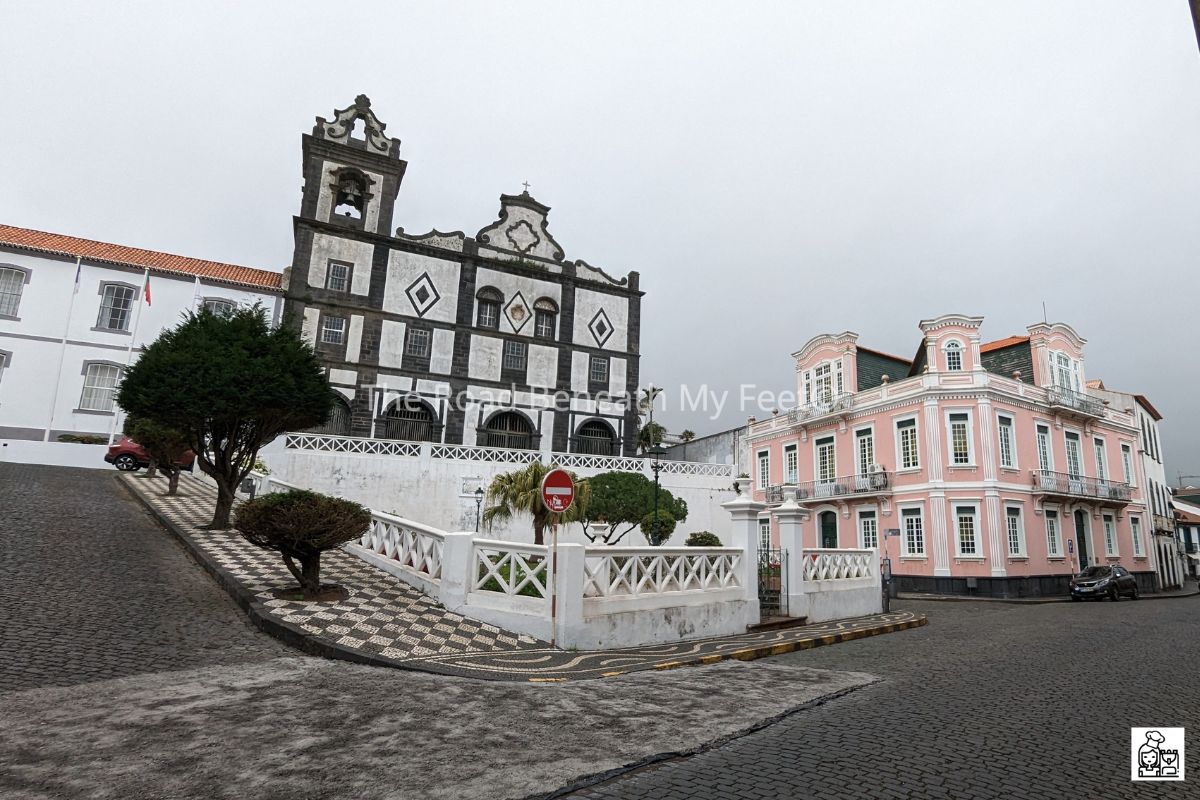
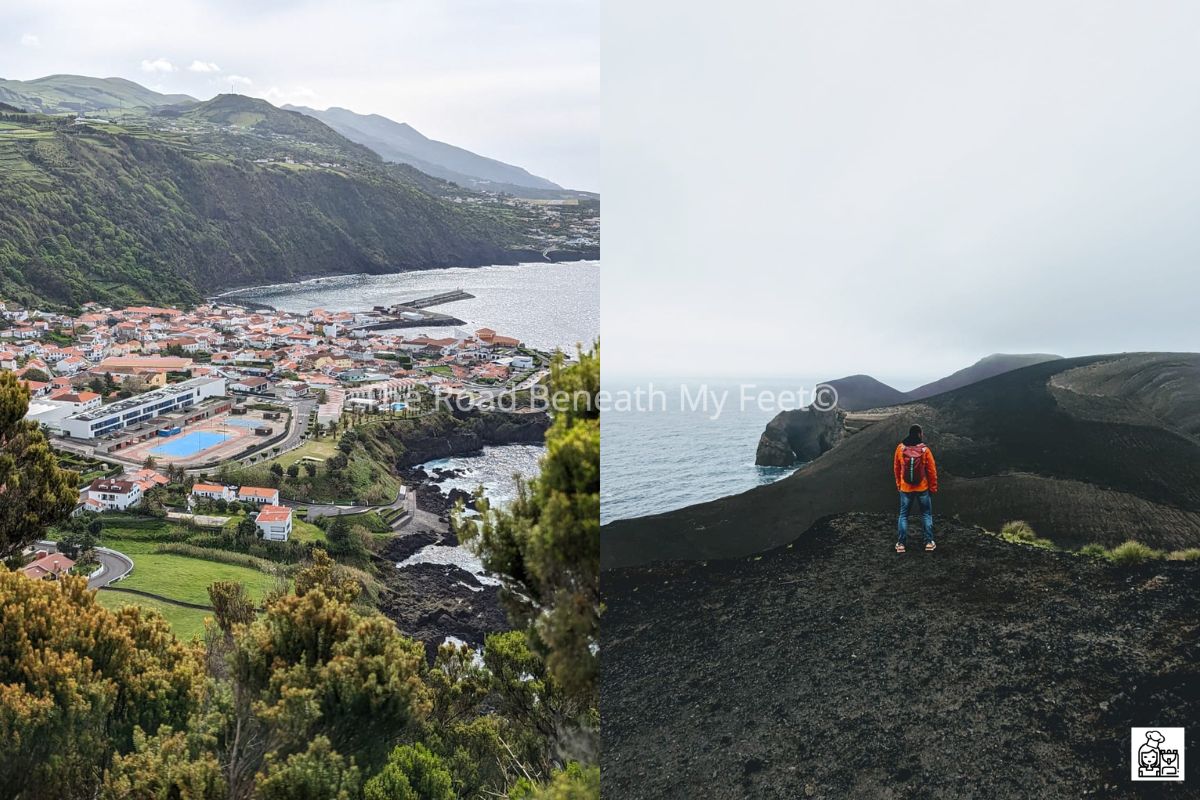
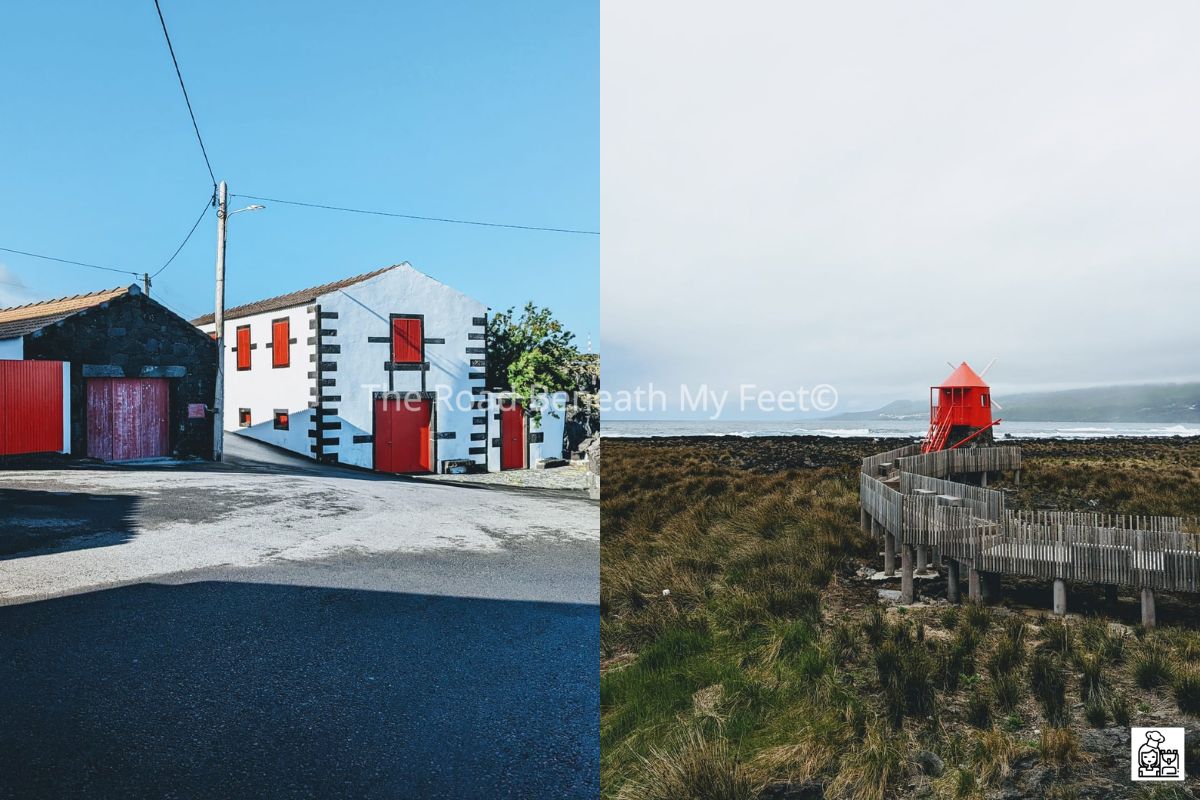
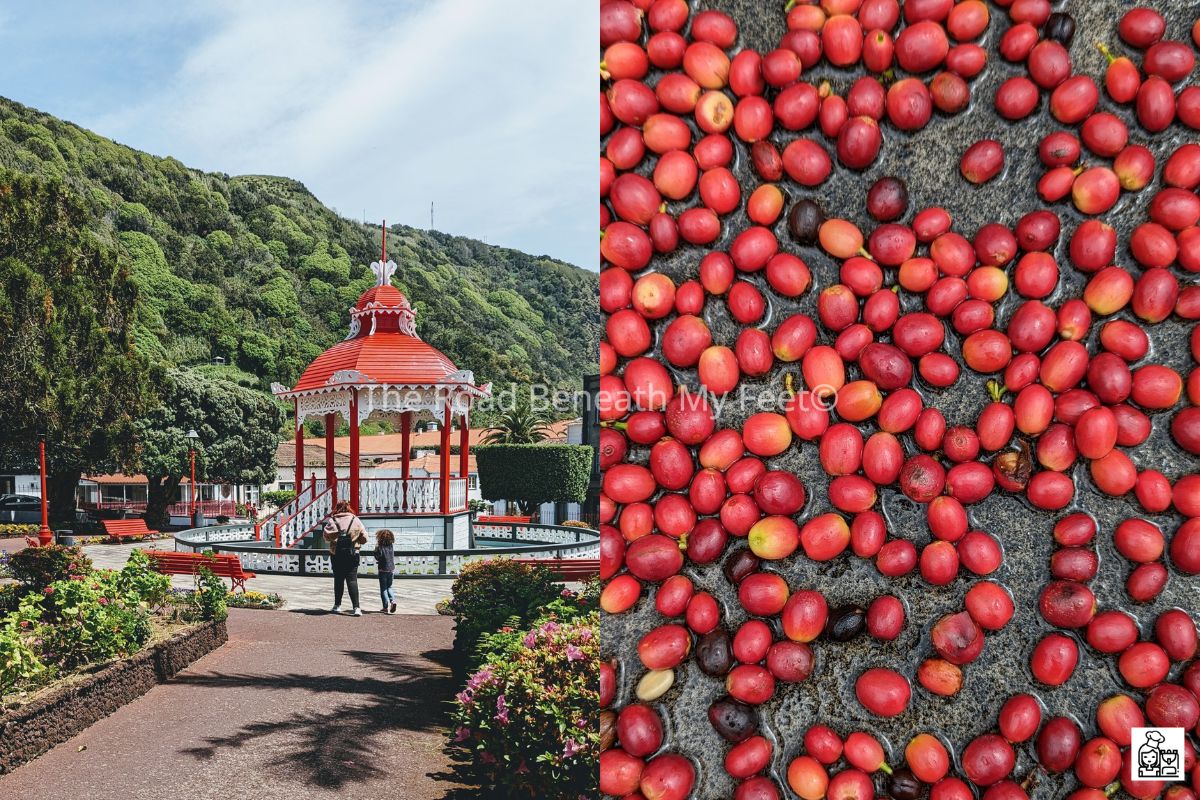
A short 1 hour flight from San Miguel, lies the fifth largest island of the archipelago: Faial. A well-known name among sailors, as the marina of Horta, its main town, typically is the starting and end point for boats crossing the Atlantic Ocean. The coastal town of 6,400 inhabitants echoes the charming character of the archipelago – quaint cobblestone streets, pristine white houses framed by stark black volcanic rocks, idyllic parks with vibrant red gazebos, and a kaleidoscope of flowers bursting in every hue. As part of the “standard repertoire”, the island of course has its own volcano in the island centre, the Caldeira, formed more than 10,000 years ago. Actually, Faial has two volcanoes and one has been active not too long ago.
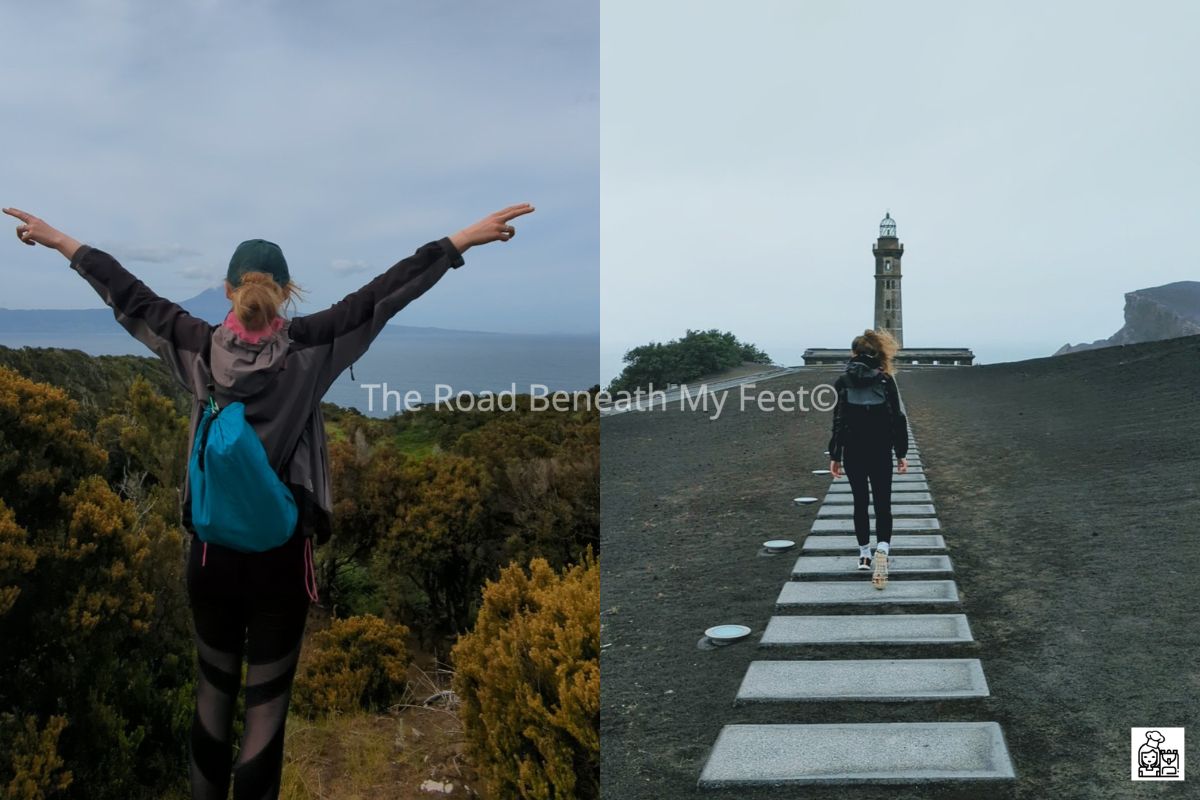
Starting in October 1957, a 13-month long eruption of a submarine volcano on the western coast of the island added new landmass to Faial. This phenomenon birthed Capelinhos, a surreal lunar-like landscape of ebony sand that is a stark contrast to the otherwise lush green vegetation. It is a fascinating sight that is best experienced in person as it is impossible to capture it in photos.
Caldeira do Faial on the other hand, is largely covered by exuberant Laurissilva vegetation. The island’s main landmark can be accessed by car or foot and offers stunning views over the island. At least if the weather is clear and no clouds are lingering around the volcano. If in doubt, check the webcam at the crater and go for it when the opportunity presents itself. If you want to go explore the crater, be prepared of a steep and narrow descent. Note that only a limited number of people are allowed to enter each day and that you must be accompanied by a guide.
With Faial being fairly small, it can easily be circumnavigated by car in a day with enough time to stop at its main attractions. If you want to spend more time on the island, check out the hiking trails, mountain bike tours, or look into tours that take you off the beaten track and introduce you to the locals and their customs (e.g. Our Island Azores).
Pico – Wining and dining with a volcanic backdrop
Did you know that the Azores produce their own unique wine? It is the reason that at the first glimpse, the island of Pico may look like a hostile place, especially during winter and early spring, before the leaves start growing on the vines.
Since the Azores are not exactly known for their warm climate, the locals came up with an ingenious way of growing wine: using volcanic rocks, which are available in abundance, they build compounds of several square metres. Between the black walls the vines are planted. As the rocks are heated by the sun during the day, they radiate warmth even during the night, helping the wine to grow. In some parts of Pico, the black volcanic rock walls stretch as far as the eye can see. Imagine the manual labour that goes into cultivating and harvesting the wine!
If you want to try the local wine, Pico’s wineries offer wine tastings and some tour operators have dedicated tours that will take you there.
Just like the other islands, Pico has a lot to offer for outdoor enthusiasts. However, what differentiates it from its neighbours, is the 2,351 metre tall mountain that rises up on the western end of the island. Yes, Portugal’s highest peak is a quiescent volcano!
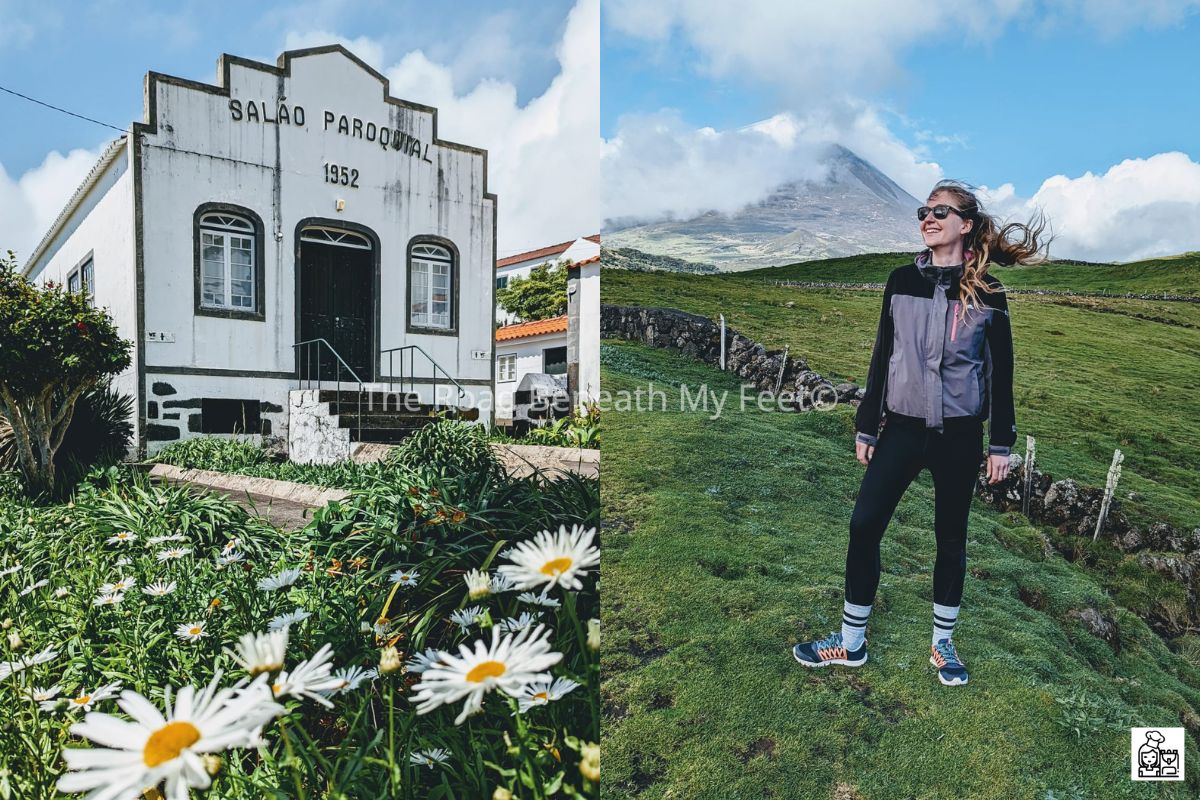
Notoriously shy, Mount Pico’s peak often hides behind the clouds but you may be lucky and catch it in its full glory on a sunny day. It is possible to climb the immense volcanic cone but it is advised to do so with a local guide as the weather can change quickly and the trail to the summit is steep and rocky.
If you are more interested in relaxed exploration, local tour operators like Tripix Azores offer various (half-) day trips that will take you to different parts of the island and introduce you to the local food and everyday life, take you to hidden caves, picturesque fishing villages, and scenic lookouts. Check their website for a full overview.
São Jorge – Serenity and unique adventures
Only a short ferry ride away, lies the island of São Jorge. Contrary to Faial, Pico, and San Miguel, the long-stretched and hilly island doesn’t have a ring road so prepare for a lot of back and forth. Luckily, driving down the same roads won’t get boring as it will give you ample time to soak in the beauty of São Jorge and maybe do yet another stop at one of the local cheese makers.
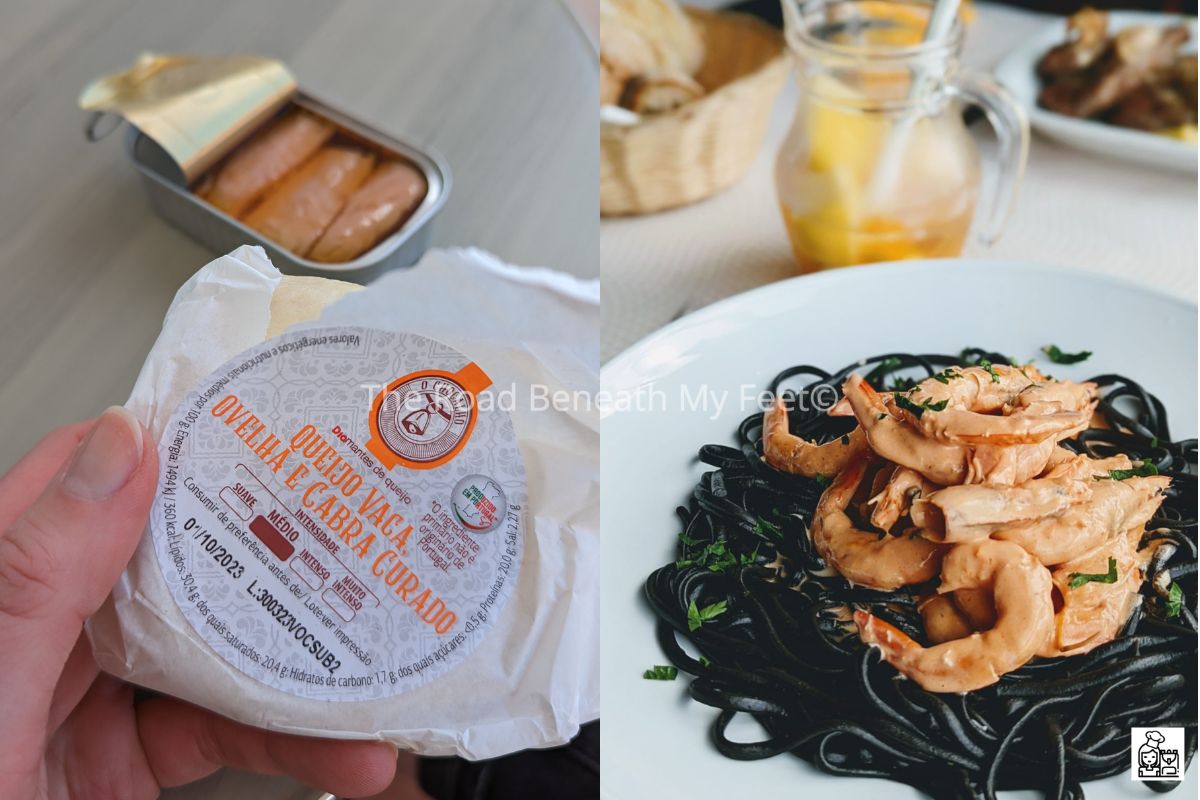
You guessed it, the island’s delicacy is cheese. With green pastures aplenty, it has the best prerequisite for it. As there are more cows than human inhabitants on São Jorge, be prepared to get stuck in a cow-caused traffic jam at least once a day.
Other than that, there is a second specialty that you can find on the south-eastern end of the island: Europe’s only coffee plantation produces merely a few hundred kilos of coffee annually and as none of it gets exported, it really is a rare treat to enjoy.
Speaking of treats – if you visit during the months of May to September, you can witness the beauty of the radiant blues of hydrangea blooms cascading along winding roads and verdant hillsides. It is truly a sight to behold!
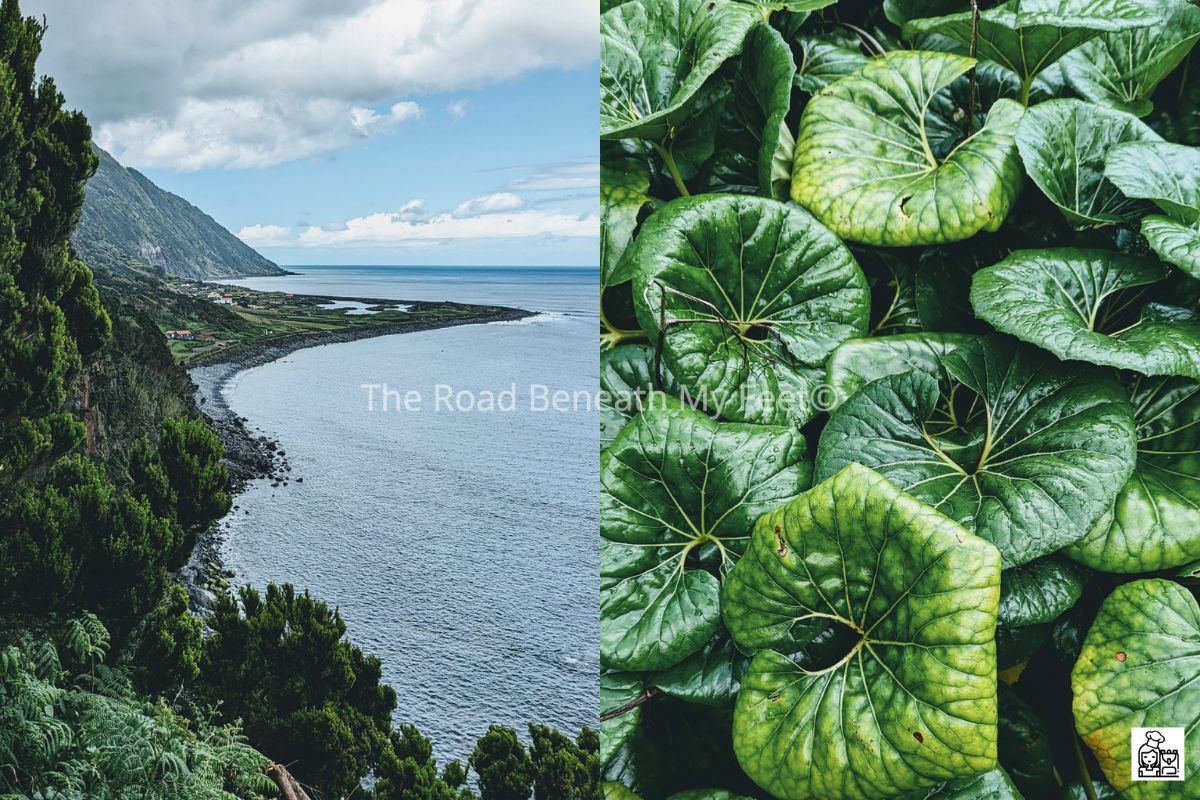
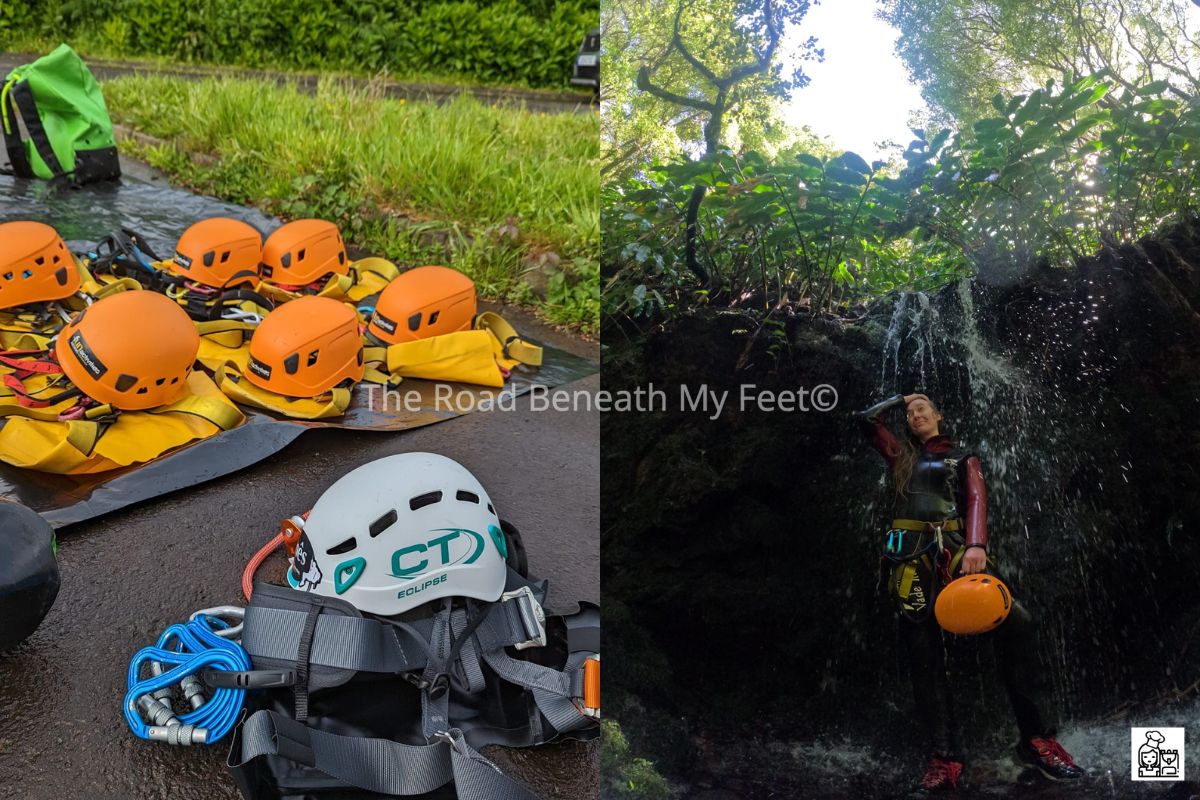
However, São Jorge is also worth a visit outside hydrangea season. You can enjoy hikes to the remote fajãs, tiny villages nestled on patches of coastline, with sheer cliffs of up to 400 m towering behind them. Many of them are not accessible by car, only by foot or ATV. Or you can go for a refreshing dip in the blue crystalline waters of the natural swimming pools. For the more adventurous, canyoning is a great activity to explore lush nature in the more remote parts of the island.
With so much to offer, a day trip with operators like LandTours is a good first approach to see the most important sights and hidden gems of São Jorge and learn about island life from someone who knows it inside out.
San Miguel – Offering something for everyone
Albeit it’s only sporting 150,000 inhabitants, the island of San Miguel and its capital, Ponta Delgada, will feel like a bustling urban oasis compared to the smaller islands. There is a lot to explore on the main island of the Azores and if you are only coming for a short holiday, you can surely keep yourself busy visiting only San Miguel island.
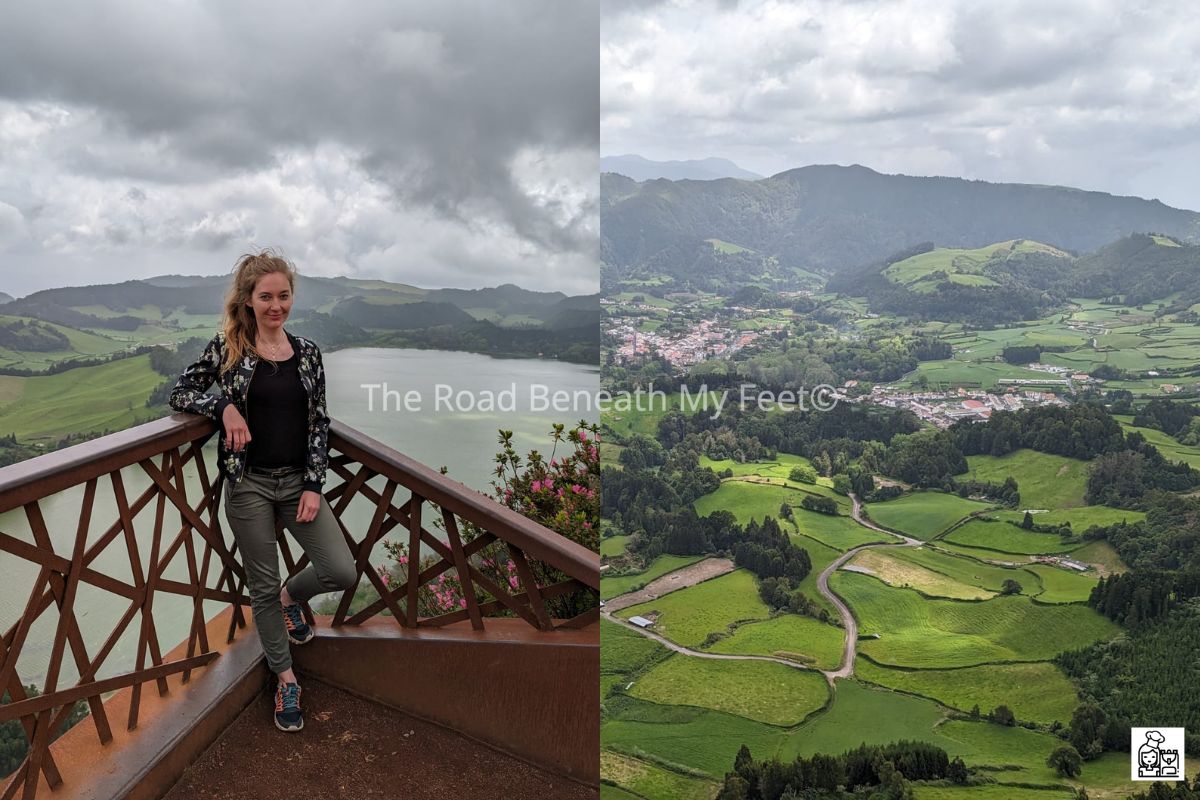
As there is so much to see, starting your visit with a day tour is a great way to get familiar with the island and what it has to offer. OnTravel Azores offers a variety of exciting tours that will take you to see emerald crater lakes, fuming hot springs, and peaceful villages.
For the daredevils, we can recommend going on a thrilling canyoning adventure with Fun Activities as it will surely get your adrenaline levels up. You will make your way along a river by abseiling and jumping into natural pools from up to 9 meters height – all while experiencing the breathtaking nature (far) away from the crowds.
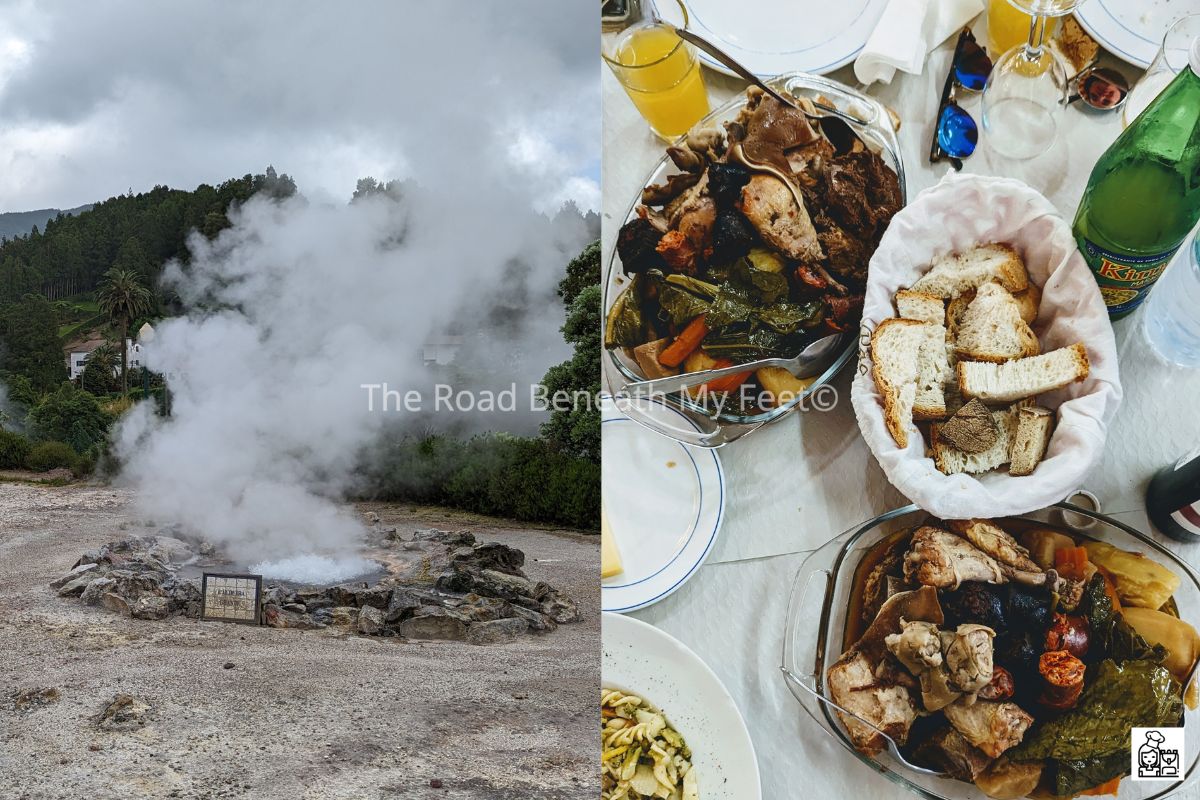
If you are sore the next day, head to the natural hot springs and go soak in the warm waters to relax your muscles. Be aware that you may need to pre-book your ticket for a specific time slot.
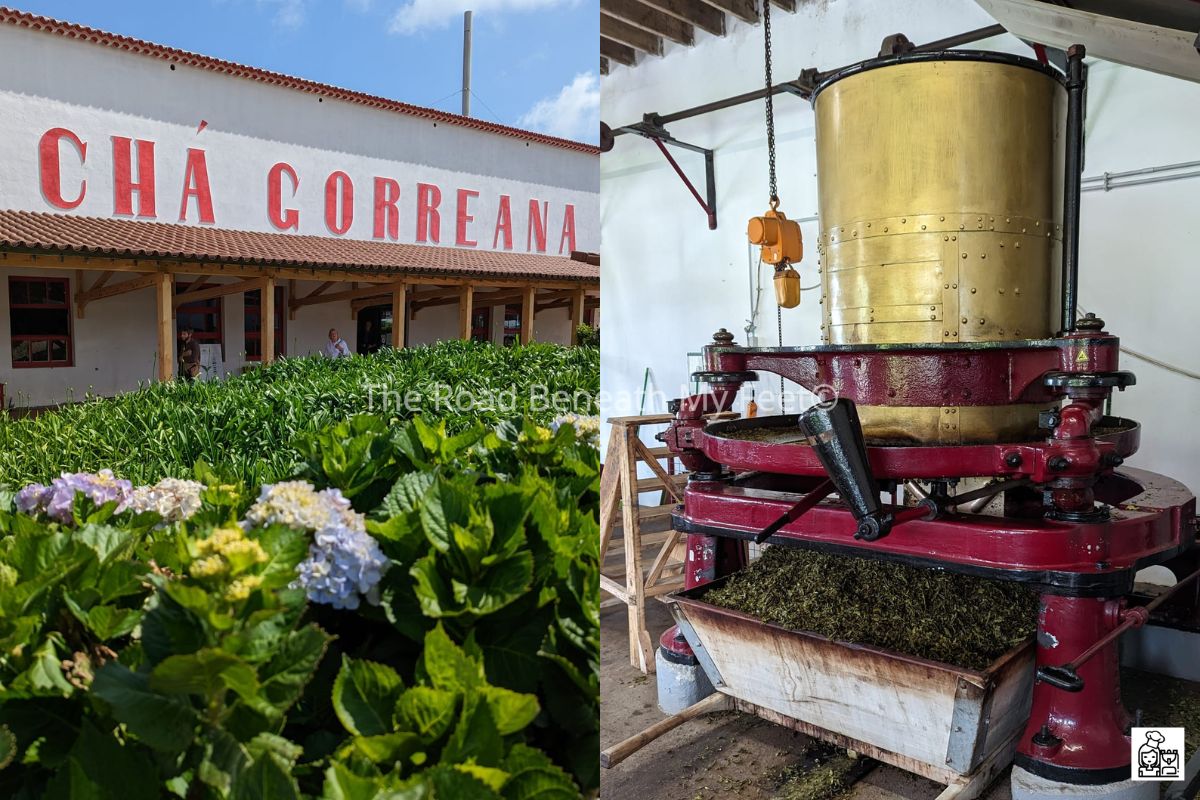
On San Miguel, culinary explorers have the chance to visit Europe’s sole tea plantation to learn about the process and taste the results. You can also go for a stroll among the rows and rows of bushes that are aspiring to become a rounded cup of green or black tea. Or stop by one of the ananás plantations to try a sweet and less acidic version of the tropical fruit.
San Miguel is also the place to eat Furnas Stew, a dish that traditionally is cooked underground. A variety of vegetables and meat are placed in a large pot and lowered down into a hole in the ground where the heat stemming from the volcanic activity is slowly cooking it to perfection.
If lazing on the beach is your thing, chances are, the Azores won’t be ‘your’ destination. This is not only because of the climate but also due to the fact that many of the islands are fairly young which means that they did not have the time to form beaches.
However, if you are an active person who loves activities like hiking, surfing, diving, kayaking, whale watching, you will love the Azores!
We use cookies on our website to give you the most relevant experience by remembering your preferences and repeat visits. By clicking “Accept”, you consent to the use of ALL the cookies.
This website uses cookies to improve your experience while you navigate through the website. Out of these cookies, the cookies that are categorized as necessary are stored on your browser as they are essential for the working of basic functionalities of the website. We also use third-party cookies that help us analyze and understand how you use this website. These cookies will be stored in your browser only with your consent. You also have the option to opt-out of these cookies. But opting out of some of these cookies may have an effect on your browsing experience.
Necessary cookies are absolutely essential for the website to function properly. This category only includes cookies that ensures basic functionalities and security features of the website. These cookies do not store any personal information.
Any cookies that may not be particularly necessary for the website to function and is used specifically to collect user personal data via analytics, ads, other embedded contents are termed as non-necessary cookies. It is mandatory to procure user consent prior to running these cookies on your website.